


How Brands Stay Human While Reaching Millions

Marketing messages rarely fail because they are poorly designed. More often, they fail because they feel disconnected from the moment customers are living in.
Consumers today are surrounded by intelligent systems. Streaming platforms anticipate preferences. Marketplaces adapt instantly to browsing behavior. Social feeds respond in real time. Against that backdrop, generic marketing feels increasingly out of place.
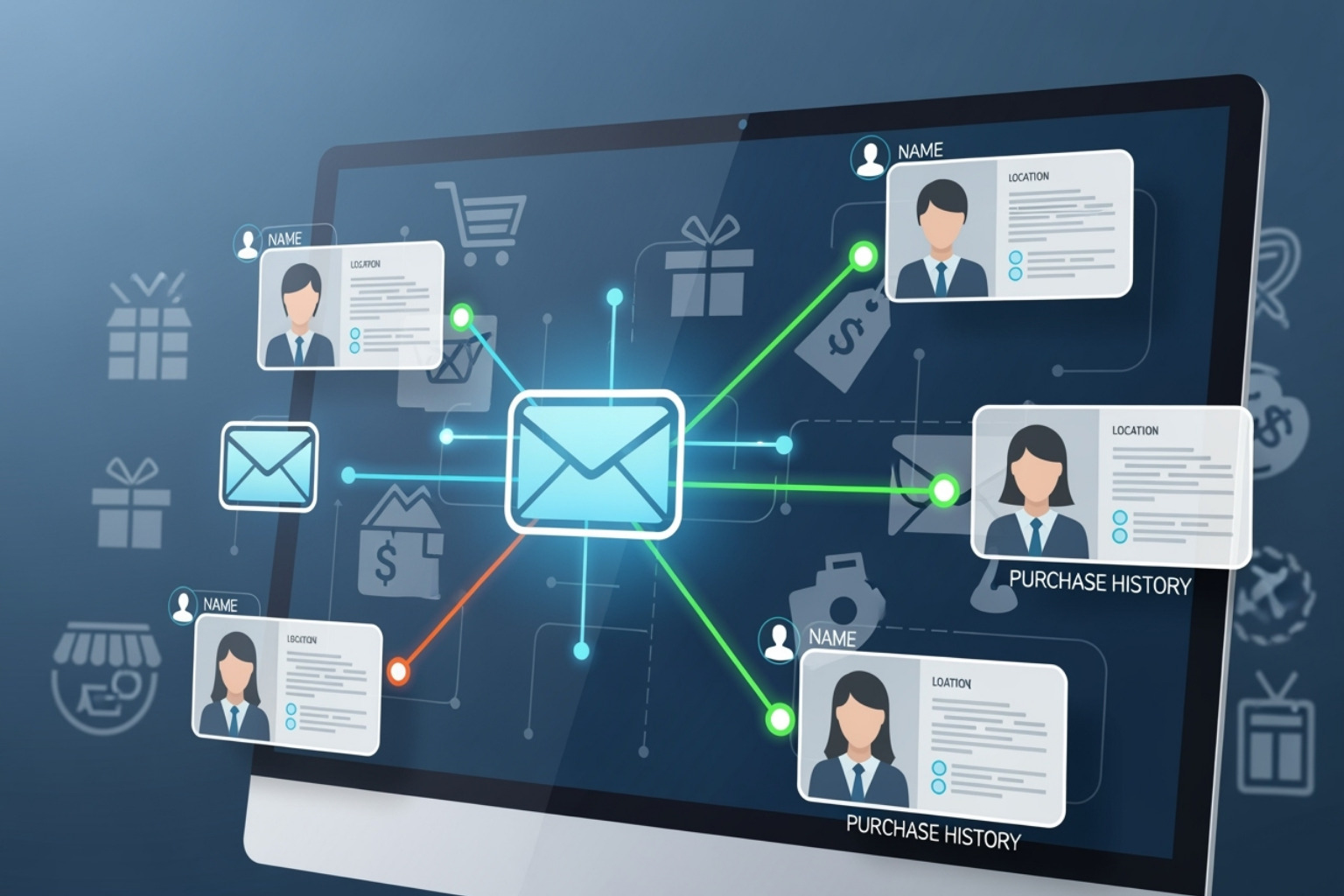
This shift has redefined what personalization means. It is no longer about surface-level customization or polite gestures like inserting a first name. It is about relevance that reflects timing, intent, and context.
At scale, this level of relevance cannot be managed manually. That is why platforms such as Klaviyo have become central to how modern brands communicate with millions of customers while maintaining a human tone.
Why Generic Marketing No Longer Competes
Generic marketing does not trigger rejection. It triggers indifference.
Customers simply scroll past messages that do not align with their current needs. Over time, this erodes engagement metrics and weakens brand perception.
The root issue is not message frequency or channel saturation. It is relevance. When communication ignores customer behavior, timing, and emotional context, it becomes invisible.
The Structural Weakness of Manual Segmentation
Traditional segmentation relies on static attributes: geography, age brackets, purchase counts, or total spend.
While useful for reporting, these attributes do not capture momentum. Customers are constantly shifting states—exploring, hesitating, committing, disengaging.
Manual segmentation struggles to reflect these changes because it requires constant updates and human intervention. As brands grow, this complexity becomes unmanageable.
Behavior as the Foundation of Personalization
Behavior-based personalization focuses on actions rather than assumptions.
Signals such as product views, session frequency, engagement depth, and time between purchases reveal intent far more accurately than demographic labels.
Systems that track and respond to these signals in real time allow messaging to adapt automatically, reducing lag between customer action and brand response.
Email and SMS as Contextual Channels
Email and SMS remain powerful not because of volume, but because of proximity.
When triggered by real behavior—such as browsing without conversion, replenishment cycles, or re-engagement windows—these channels deliver relevance instead of interruption.
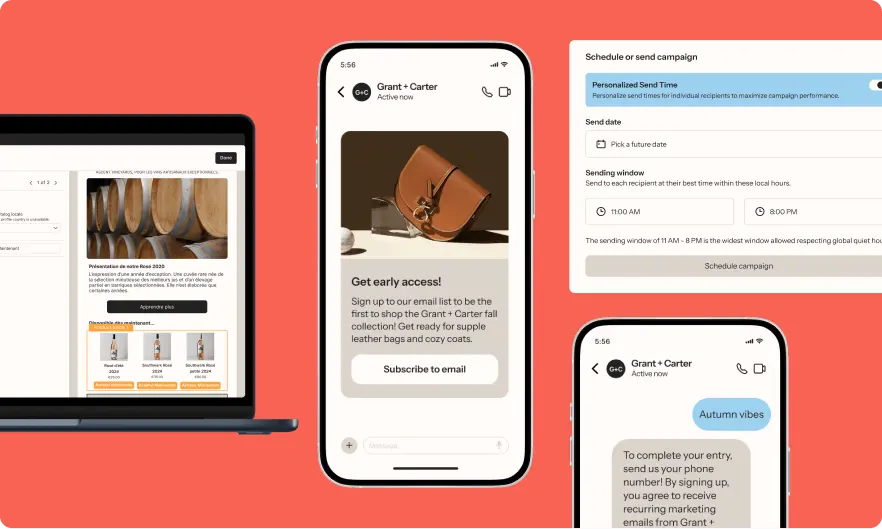
Klaviyo enables this by unifying customer data across channels and orchestrating messages based on lifecycle stage rather than campaign calendars.
Lifecycle Messaging Over Campaign Dependency
Lifecycle-driven communication aligns messaging with where customers are, not when marketers decide to send.
This approach reduces noise, improves timing, and creates continuity across touchpoints. Customers feel guided rather than targeted.
AI as an Enabler, Not a Replacement
AI does not remove strategic responsibility. It removes guesswork.
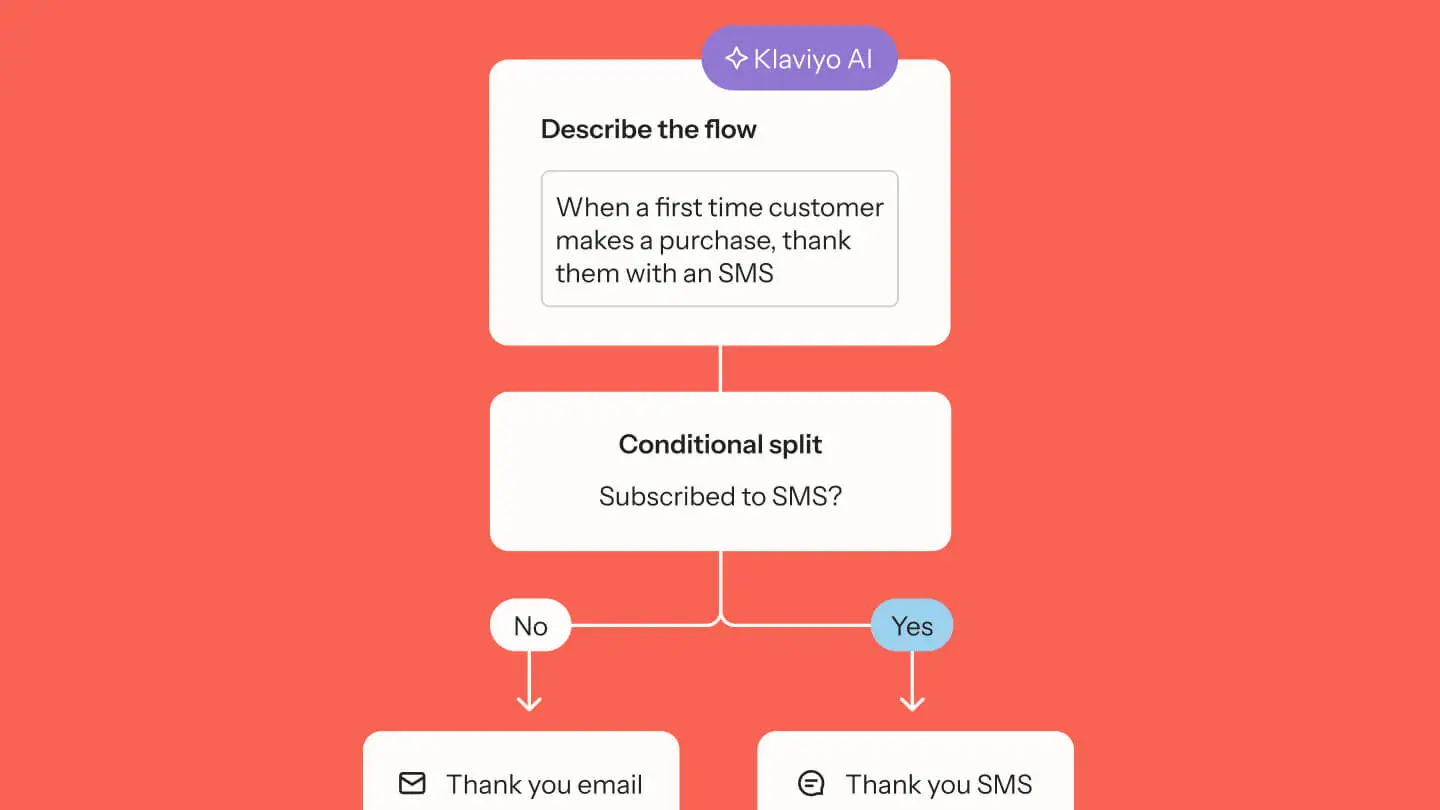
By analyzing large-scale behavior patterns, AI-powered systems predict outcomes, identify risk signals, and prioritize relevance.
This allows brands to scale personalization without scaling teams.
Conclusion
Personalization at scale is no longer a creative challenge. It is an infrastructure decision.
Brands that invest in behavioral data, lifecycle automation, and adaptive systems speak with clarity even at massive scale.
Platforms like Klaviyo make this possible by connecting insight, timing, and execution into a single engine.