


The Ultimate Guide to International Shipping on Shopify (2026 Edition)

Global ecommerce continues to expand quickly, and Shopify remains one of the most accessible platforms for merchants looking to reach international buyers. But while opening your store to global traffic is easy, delivering a smooth international shipping experience requires careful planning, clear communication, and proper localization.

Why International Shipping Matters More Than Ever
Cross-border ecommerce now makes up a substantial percentage of global online sales. Customers from Europe, Asia, the Middle East, and Latin America increasingly expect brands to offer international delivery, transparent pricing, and region-specific checkout experiences. Providing a localized, predictable, and trustworthy international shipping process is essential for building credibility and improving conversion rates across borders.
Understanding Shopify’s Built-In International Shipping Tools
Shopify provides several foundational features for merchants looking to expand globally, including:
-
Multi-origin shipping
-
Zone-based rates
-
Carrier-calculated rates (depending on plan)
-
Local delivery estimates
-
Integration with major global carriers
However, Shopify’s native tools alone are not enough to fully optimize cross-border logistics. Customers must also experience localized language, currency, shipping options, and geolocation-based routing to feel confident in completing their purchase. This is where tools like Transtore strengthen the overall global strategy.
Key Components of International Shipping
International shipping is more than attaching a label to a package. A seamless cross-border workflow includes four critical components:
1. Shipping Zones and Regions
Shopify allows merchants to create custom zones to target specific countries or regions.
Effective shipping zones should consider:
-
Cost differences
-
Carrier availability
-
Delivery time expectations
-
Regional compliance requirements
This makes it easier to customize rates and delivery methods based on geographic location.
2. Carrier Selection
The best carrier varies by region. Common global carriers include DHL, FedEx, UPS, as well as regional services like Canada Post, Royal Mail, Australia Post, and SF Express.
Choosing the right partner depends on:
-
Target destination
-
Average parcel weight
-
Product value
-
Expected delivery time
European customers often expect predictable delivery tracking and low duties, while Asian markets prioritize delivery speed and mobile-friendly notifications.
3. Duties and Taxes
Displaying duties and taxes correctly is one of the biggest challenges in cross-border selling.
Customers want to know:
-
Will they pay import fees?
-
Are duties included at checkout?
-
Are taxes prepaid?
Tools like Shopify Markets Pro offer built-in duty collection, but stores often combine this with localization apps to clearly communicate regional expectations.
4. Delivery Estimates
Clear delivery estimates reduce checkout abandonment.
Different regions have different norms:
-
Europe: 3-10 days
-
Asia-Pacific: 5-12 days
-
Middle East: 5-15 days
-
Latin America: 7-20 days
Communicating realistic timeframes builds trust and prevents refund disputes.
The Role of Localization in International Shipping

Shipping alone does not guarantee conversions. Customers need contextual information in their language, currency, and cultural expectations.
Key localization components include:
-
Translation of shipping policies
-
Local currencies with proper formatting
-
Shipping method names translated correctly
-
Localized checkout fields
-
Geolocation-based routing to appropriate pages
Transtore specializes in these functions by transforming a standard Shopify store into a localized shopping experience tailored to each country.
How Transtore Enhances International Shipping
Transtore supports global shipping optimization in multiple ways: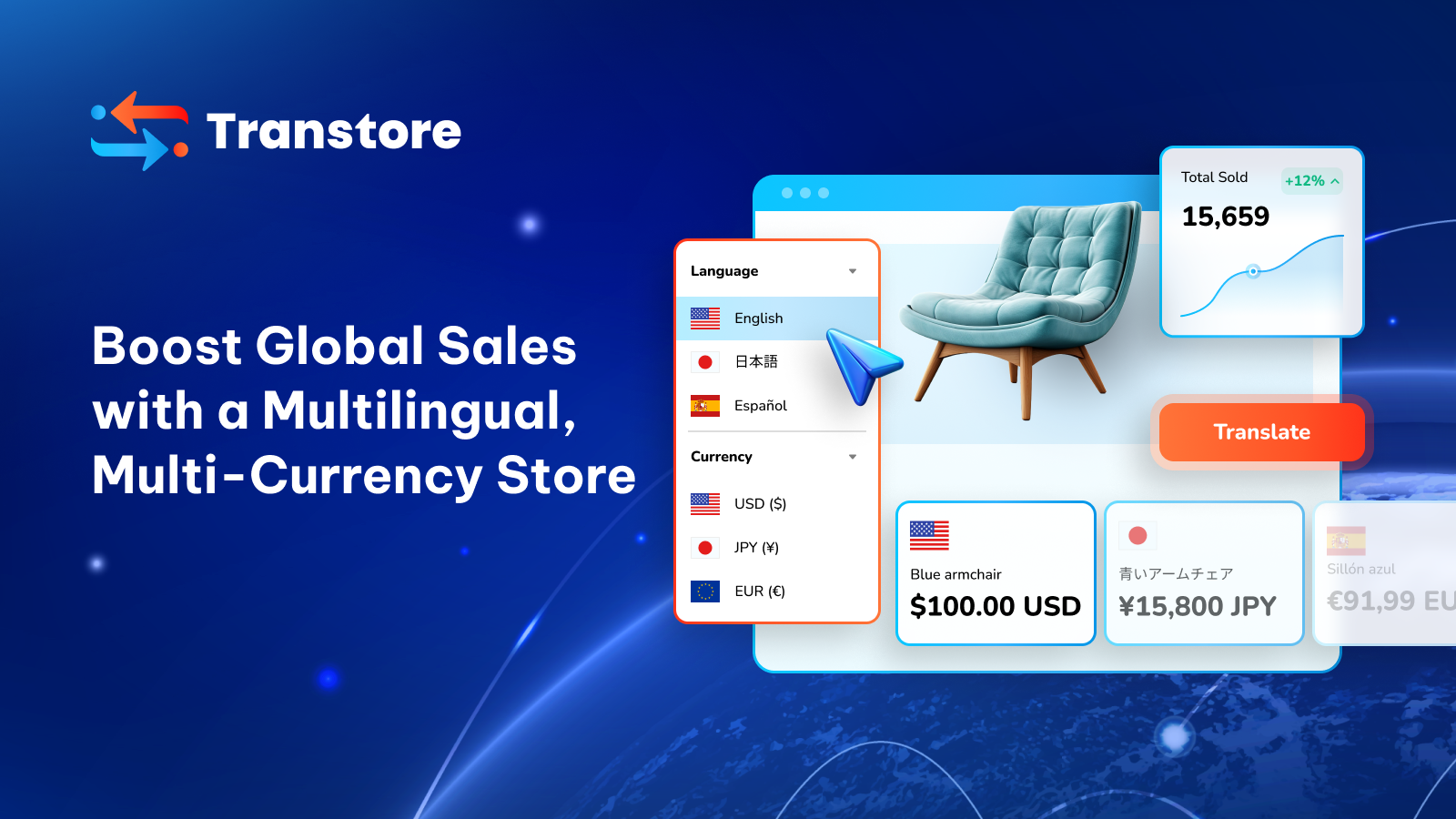
1. Accurate Geolocation Detection
Automatically directs customers to the correct language, currency, and shipping information based on their location. This eliminates confusion for buyers who land on the wrong region.
2. Multi-Language Shipping Pages
Shipping policies, rate tables, and FAQs can be fully translated, ensuring customers understand important shipping terms.
3. Auto Currency Conversion
International buyers expect pricing in their local currency. When customers see shipping costs in a familiar format, they are more likely to trust the purchase process.
Best Practices for International Shipping in 2026
To maximize conversions and minimize shipping-related issues, merchants should follow these 2026 best practices:
Offer Transparent Pricing
Clearly display:
-
Shipping costs
-
Duties and taxes
-
Return policies
-
Delivery estimates
Customers in Europe, Japan, and Korea place high value on clarity.
Provide Multiple Carrier Options
Offering at least two carrier choices increases flexibility:
-
Economy shipping for budget-conscious buyers
-
Express shipping for urgent orders
Enable Local Payment Methods
International customers want payments they trust. While Transtore focuses on translation and localization, pairing it with region-specific payment gateways significantly boosts conversions.
Optimize for Mobile Shipping UX
Asia is mobile-first, and customers expect mobile-friendly tracking, clear shipping options, and simple checkout flows.
Localize Shipping Emails
Post-purchase emails should match the customer’s language and currency. This reduces support tickets and increases customer satisfaction.
Use Region-Specific Shipping Messaging
Examples:
-
Europe: “Includes VAT and duties at checkout.”
-
Asia: “Fast delivery with real-time tracking updates.”
-
Middle East: “Customs clearance support included.”
Common Mistakes to Avoid
International shipping fails when merchants:
-
Use generic shipping policies
-
Display incorrect currency
-
Offer slow delivery options without warnings
-
Forget to translate key pages
-
Provide unclear duties and tax information
-
Overlook regional expectations
Avoiding these mistakes can dramatically improve global performance.
Should You Use Shopify Markets, Apps, or Both?
Shopify Markets simplifies the technical setup of duties, regions, and payments, while localization apps like Transtore enhance the customer-facing experience.
For most global merchants, the highest conversions come from combining both:
-
Shopify Markets manages backend internationalization
-
Transtore handles translation, currency, and geolocation
This hybrid approach delivers both accuracy and high-quality UX.
Final Thoughts
International shipping in 2026 is no longer just about moving products-it’s about delivering a seamless, localized experience across the entire customer journey. Shipping information, currency display, language, and geolocation all play essential roles in building trust with global shoppers. By pairing Shopify’s international tools with localization solutions like Transtore, brands can create an optimized global operation that feels native to every customer, no matter where they live.